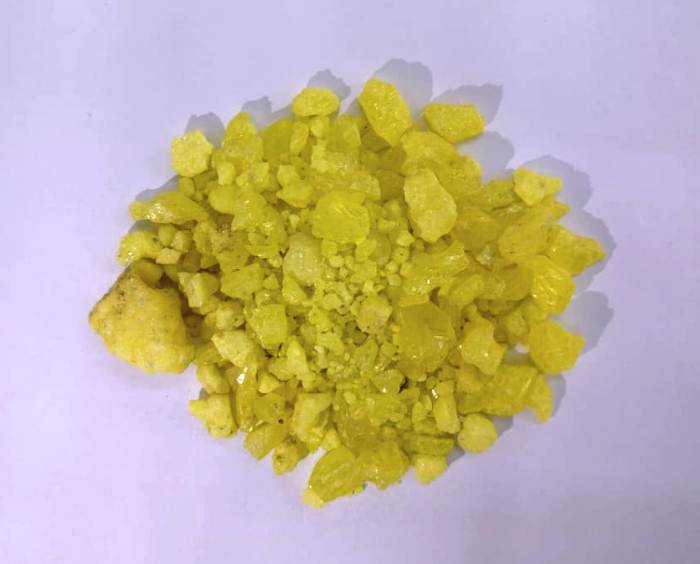
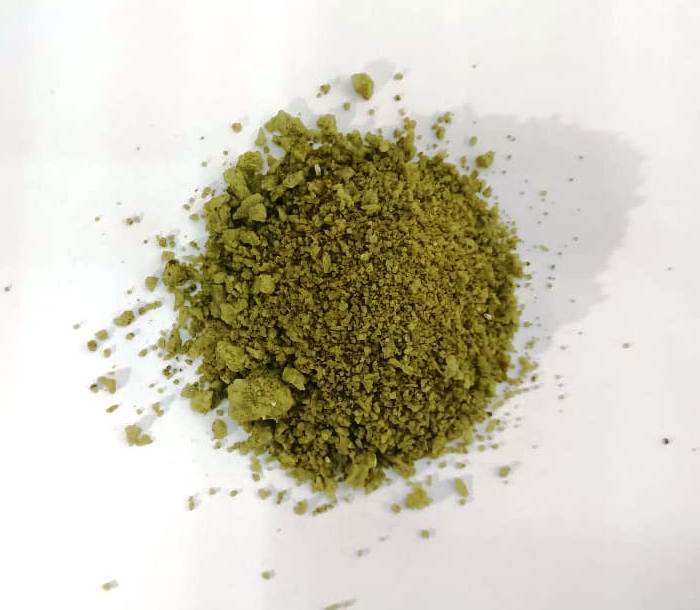
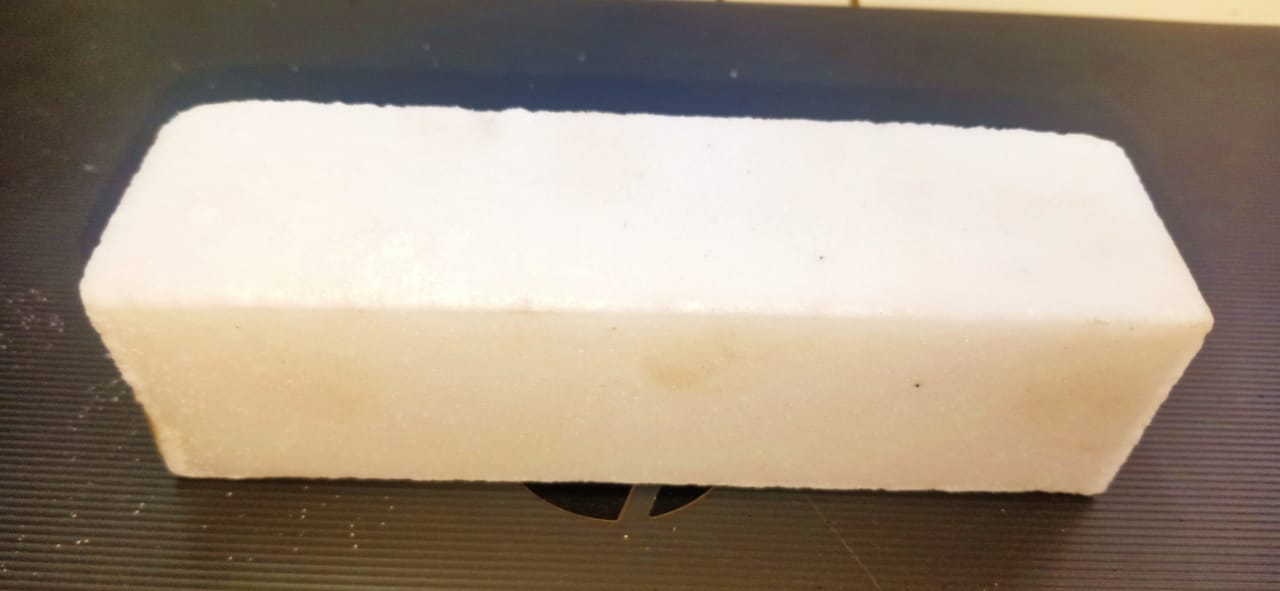
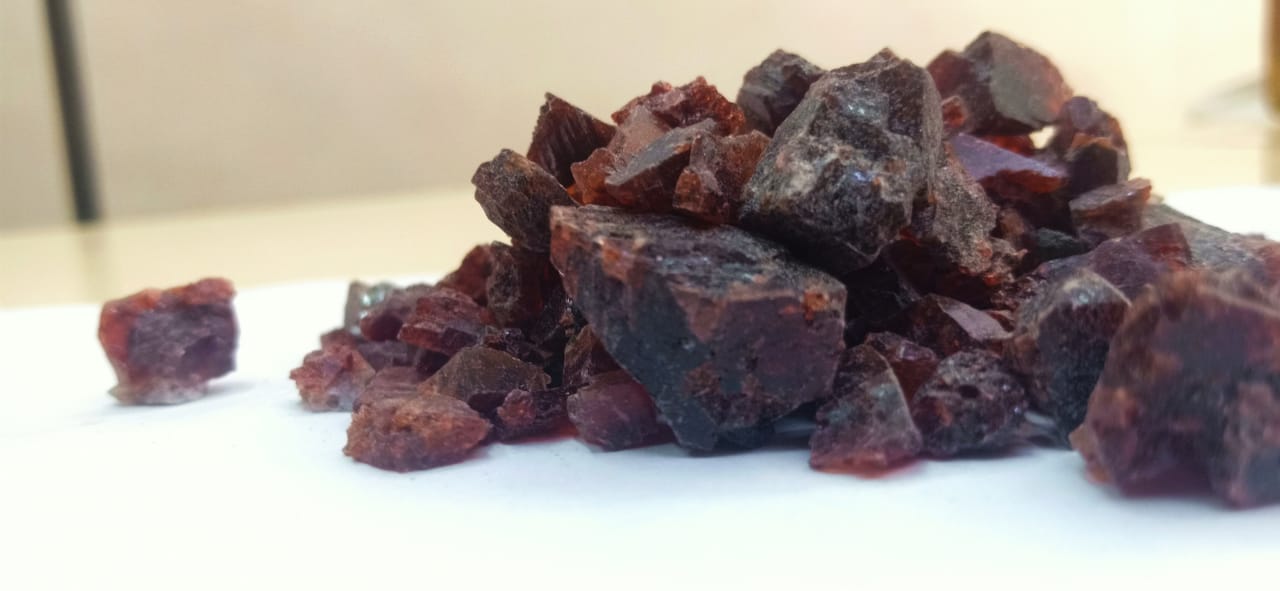
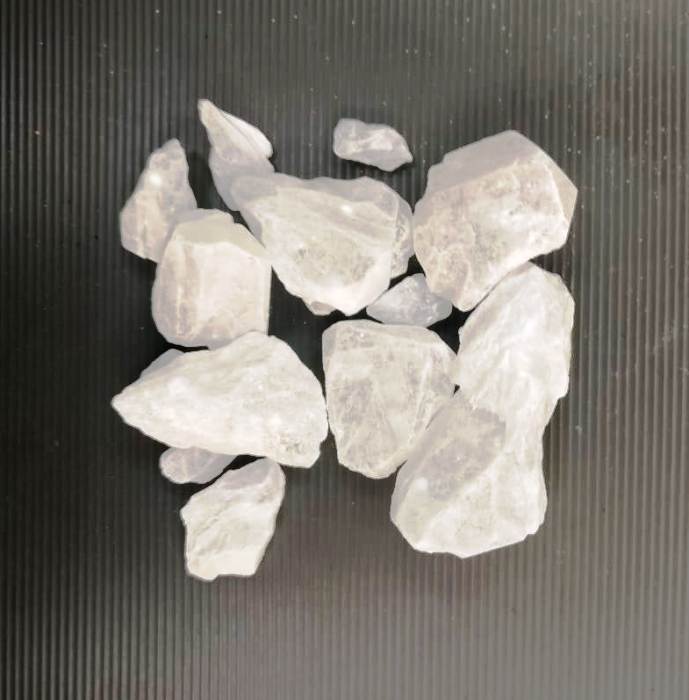
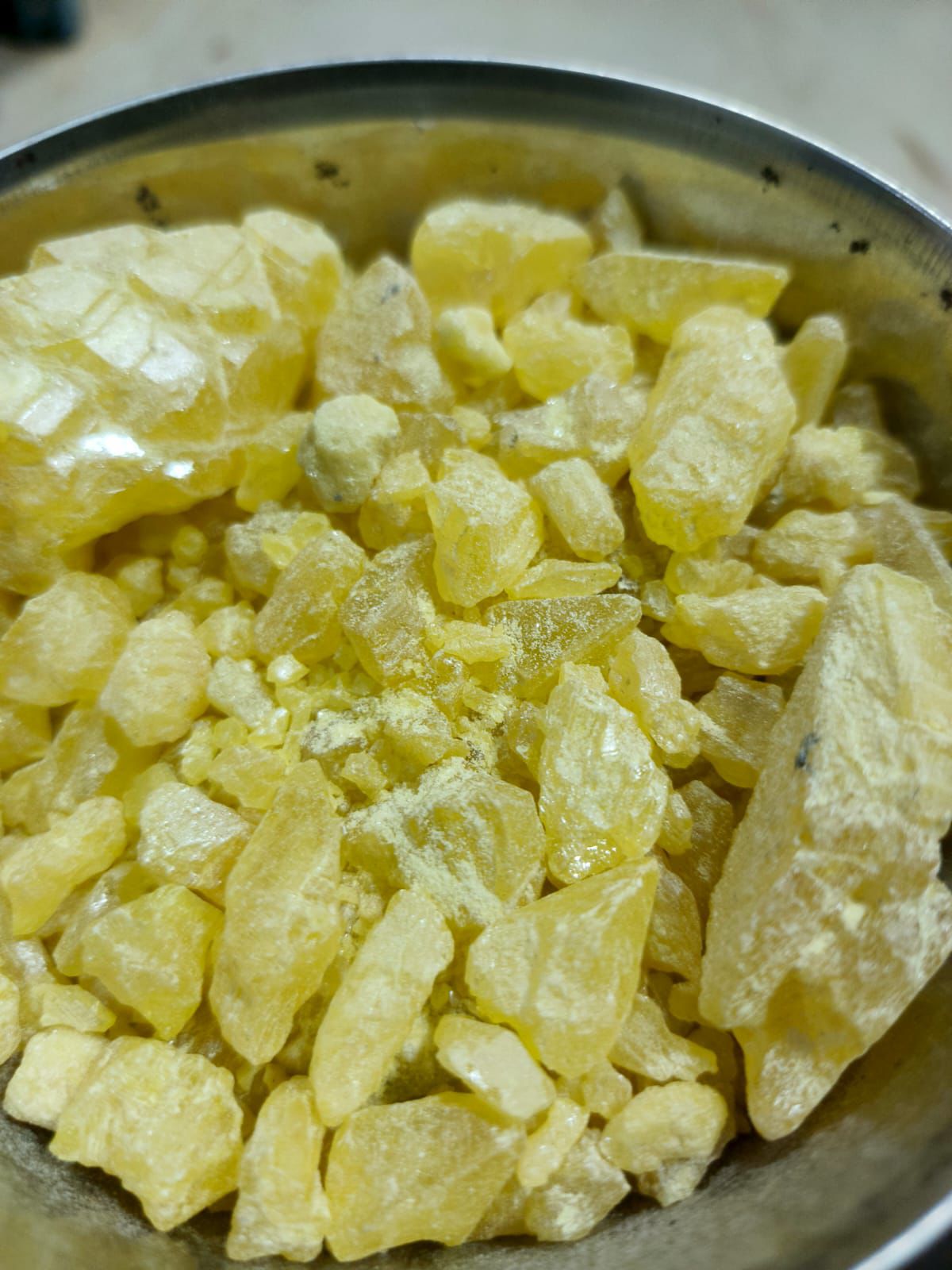
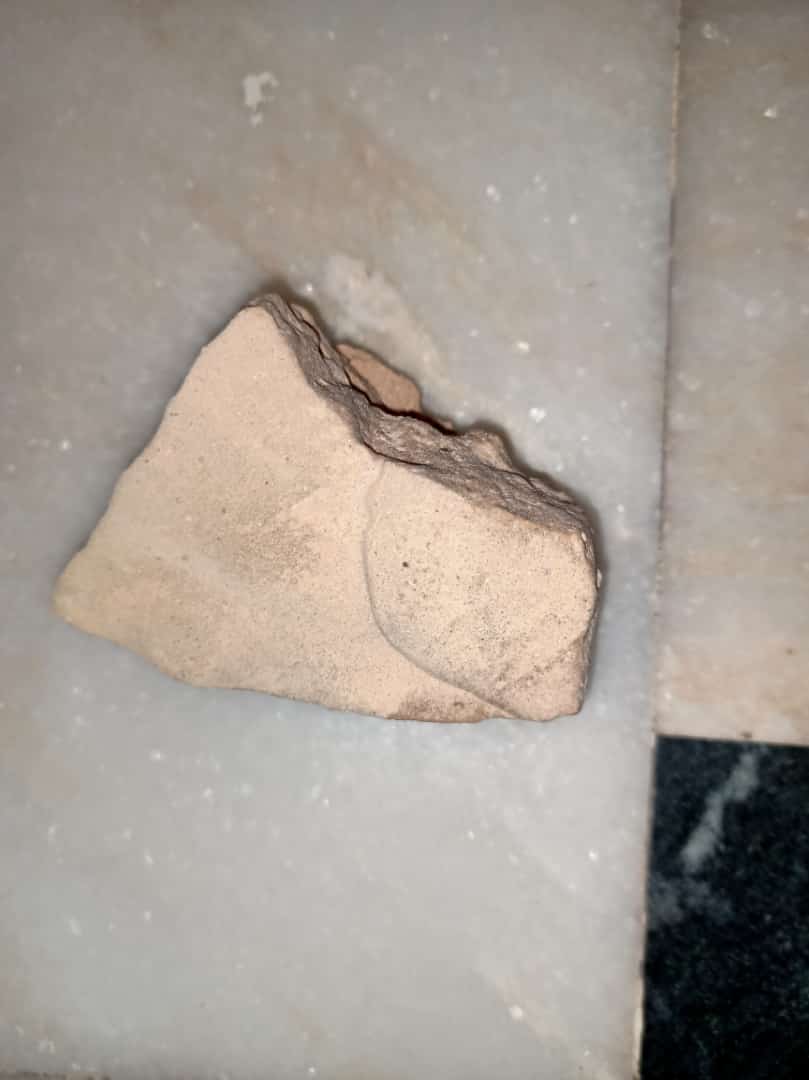
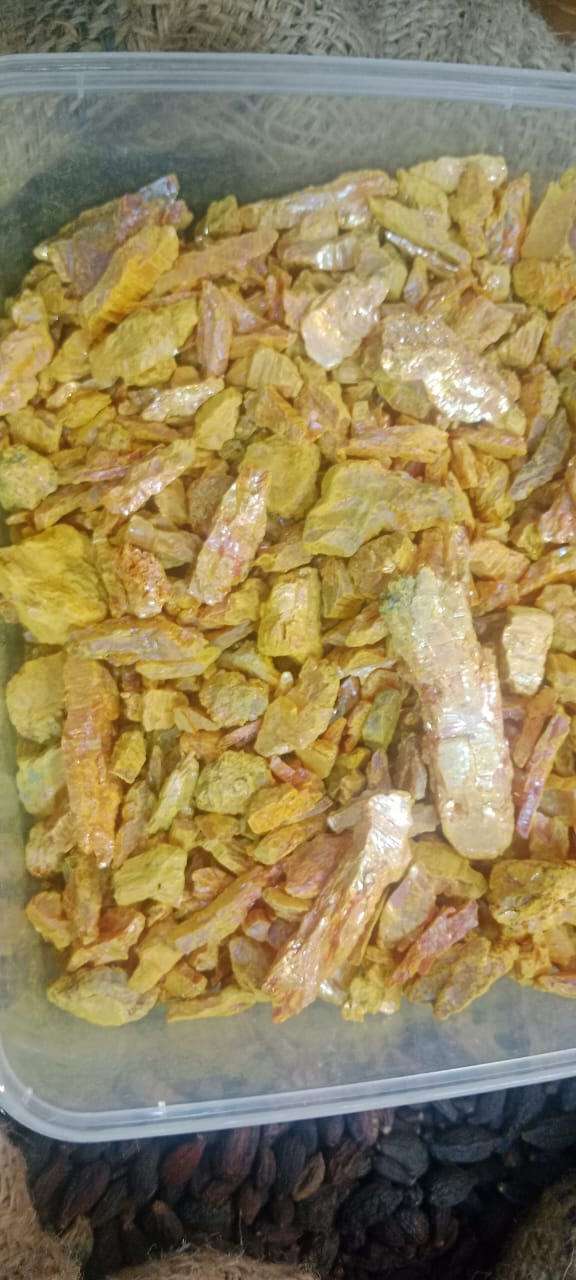
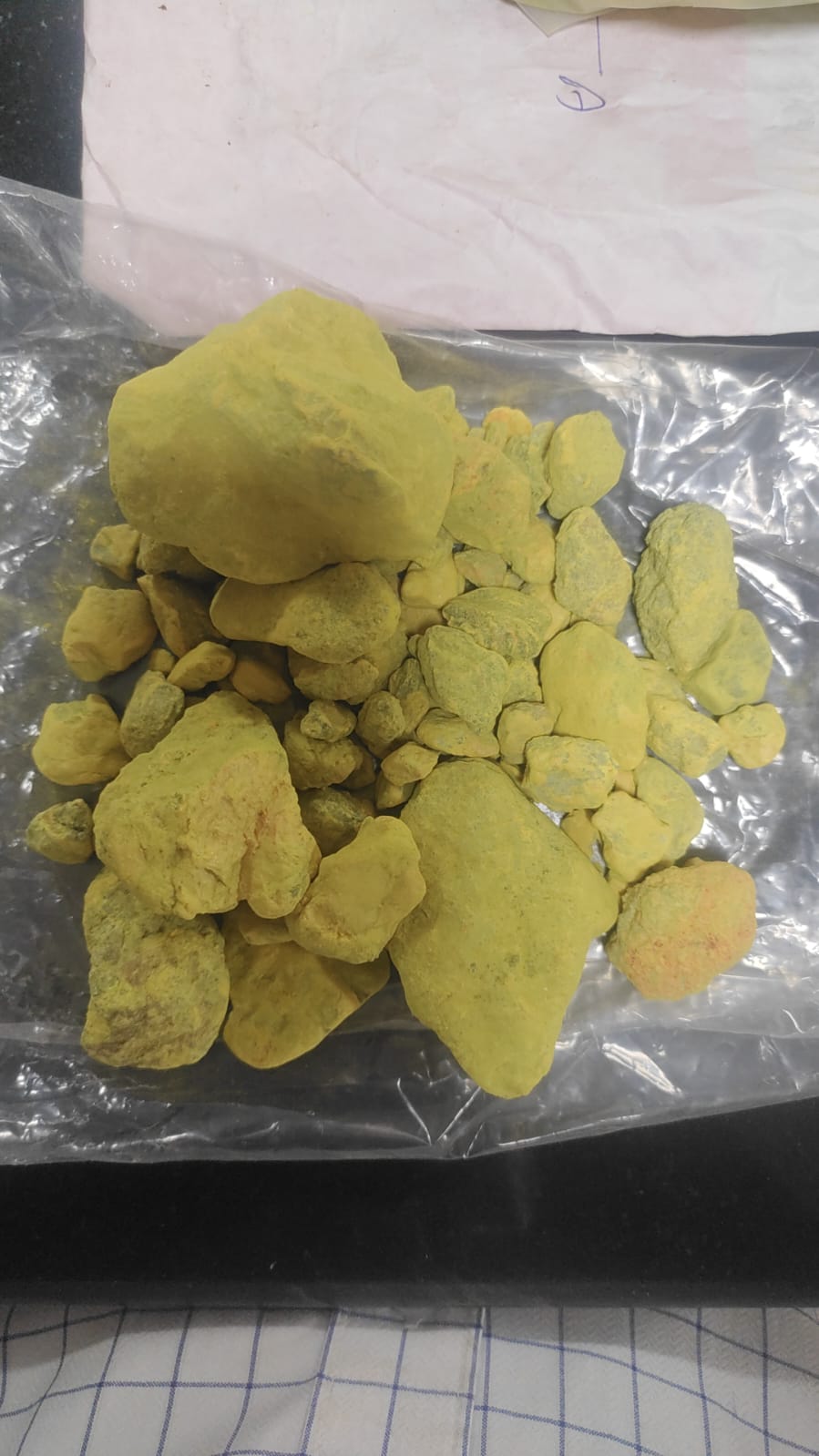
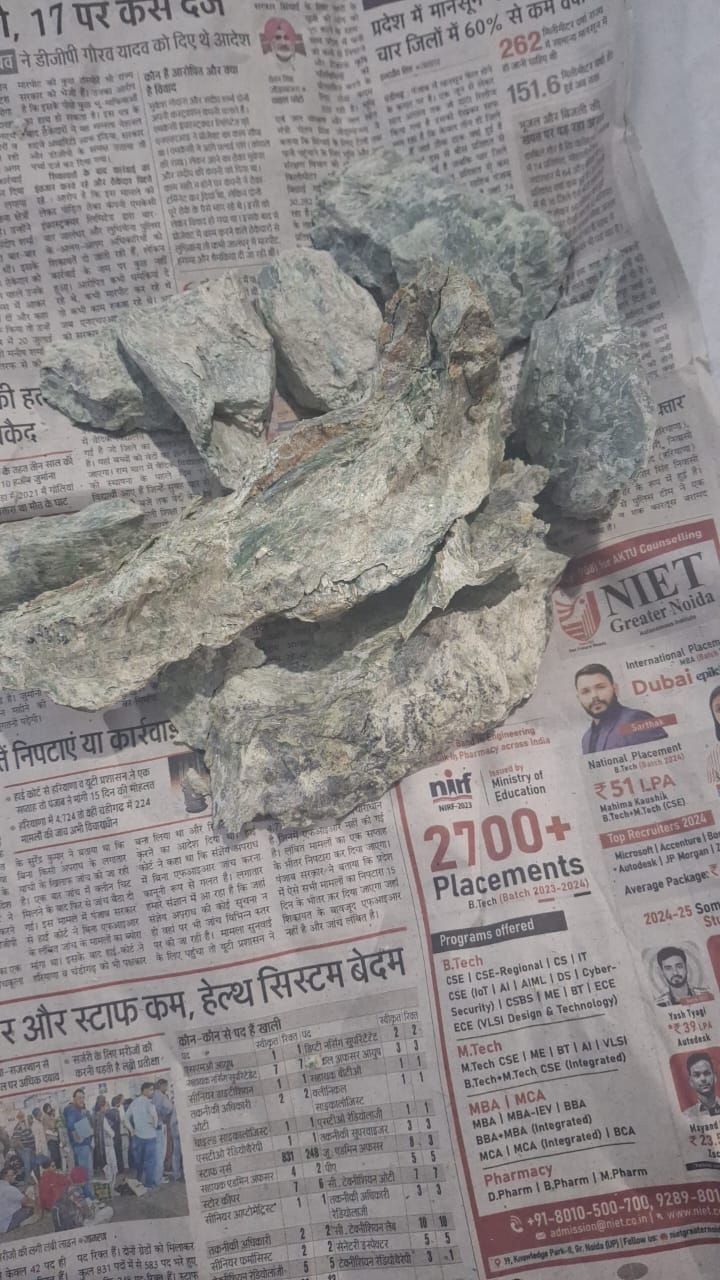
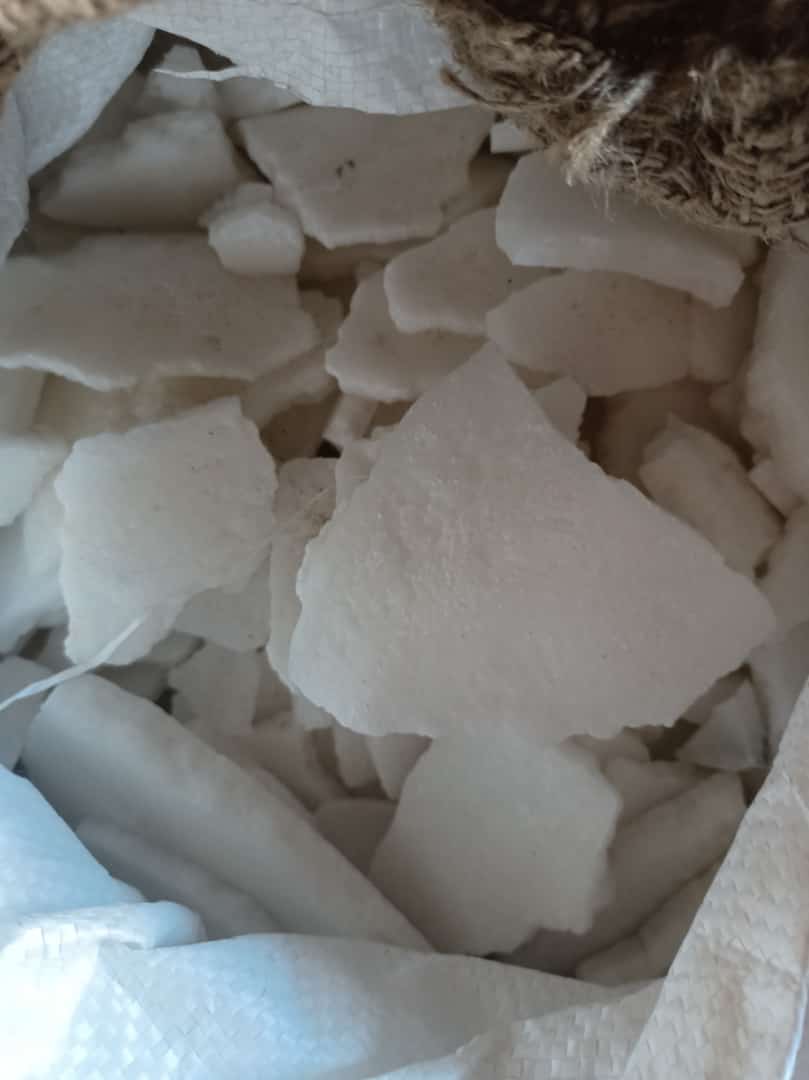
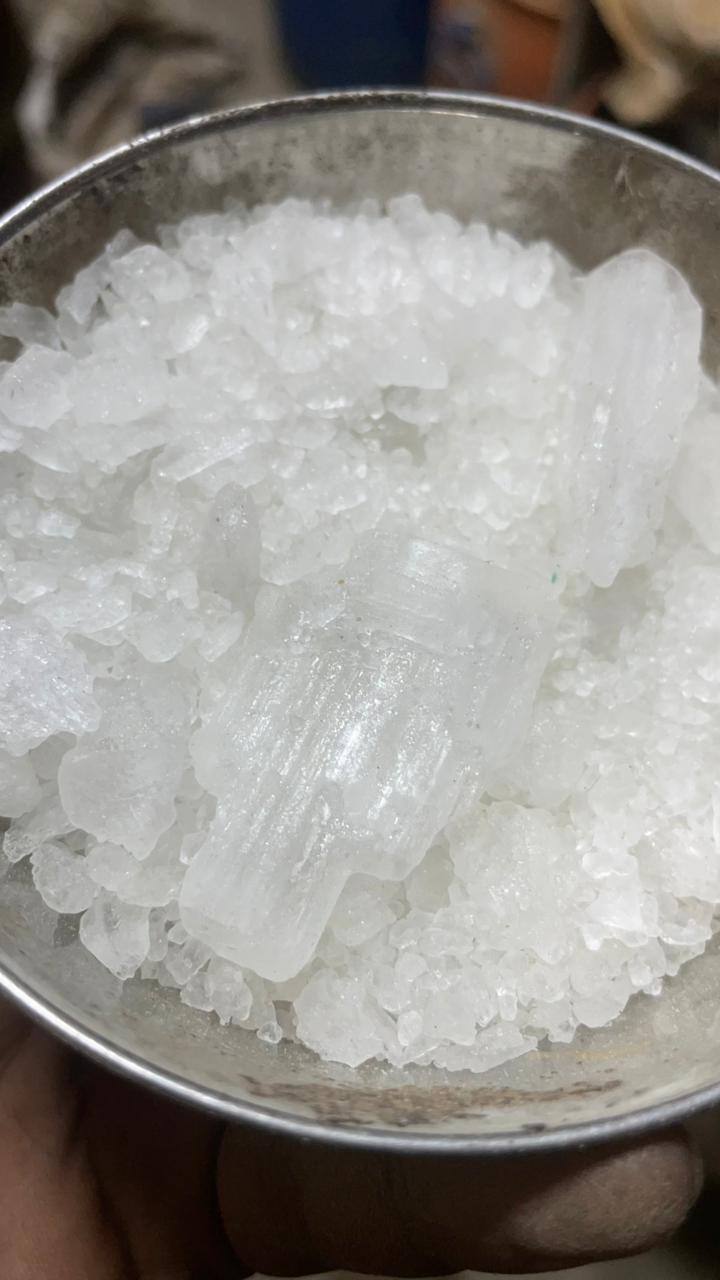
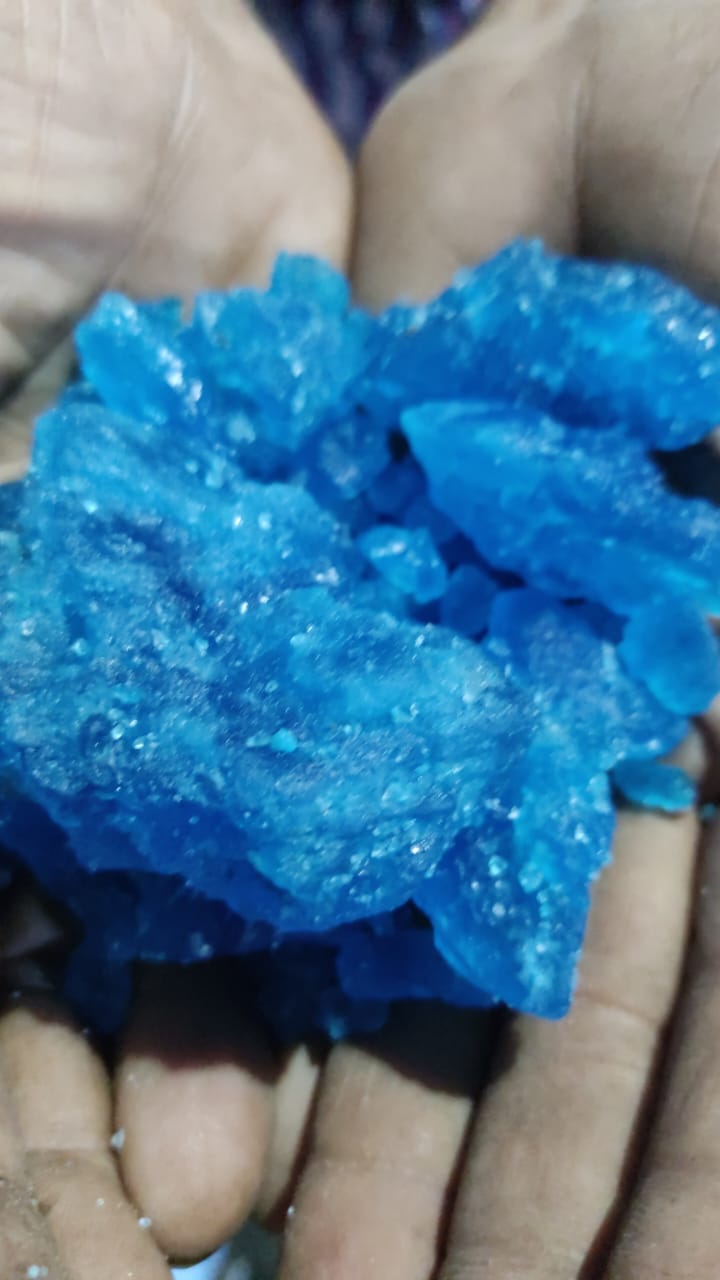
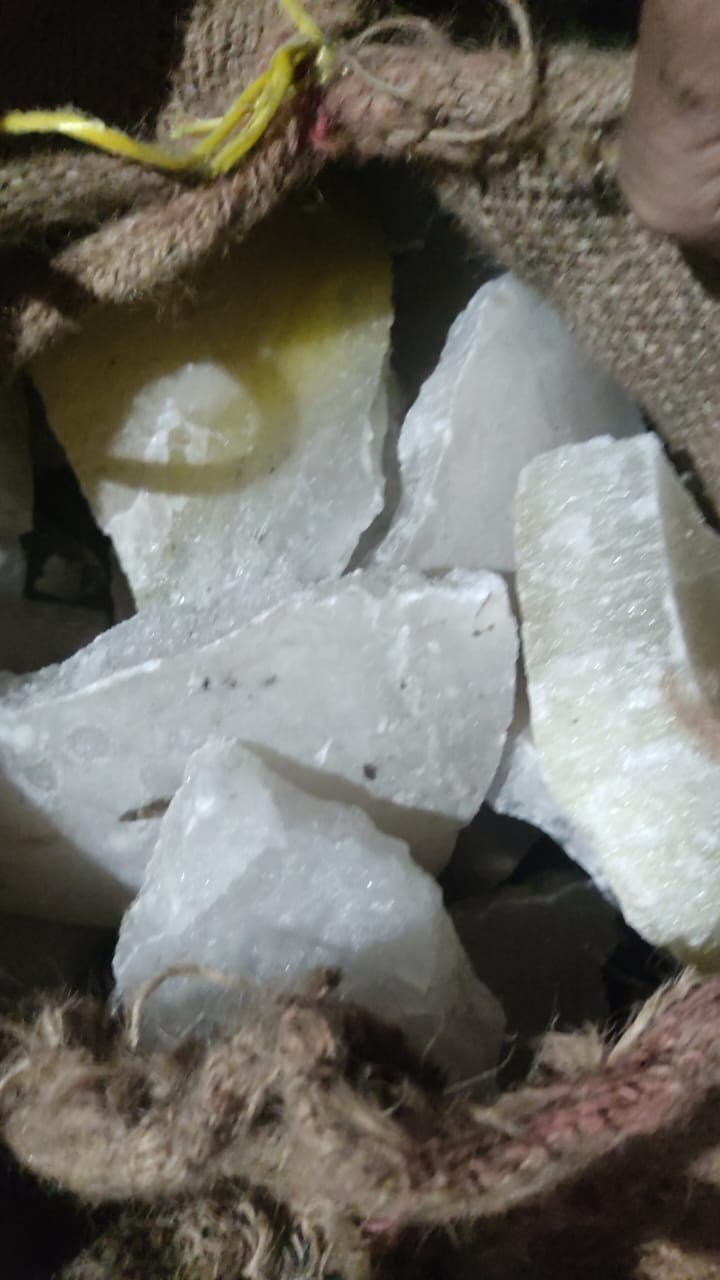
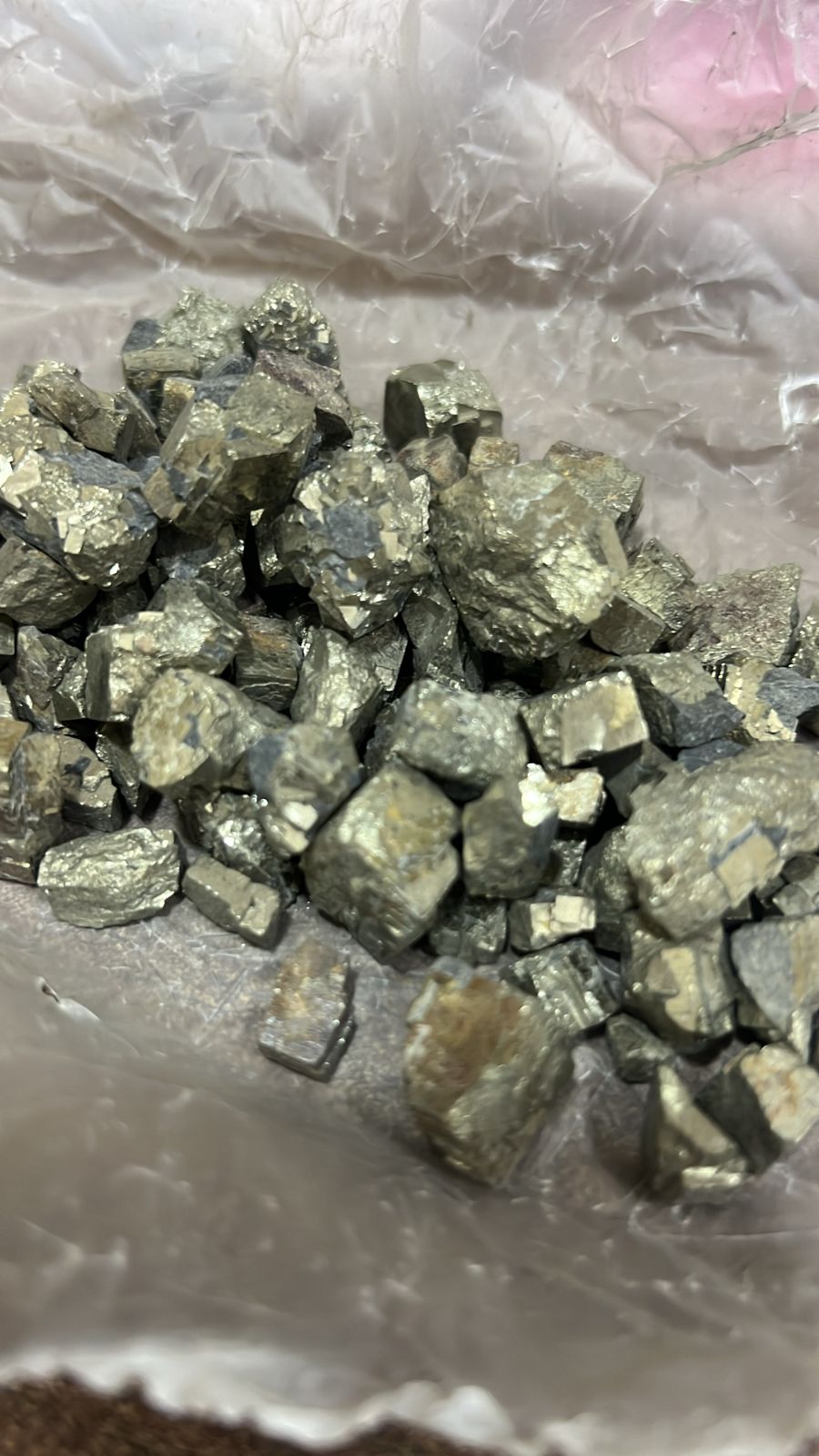
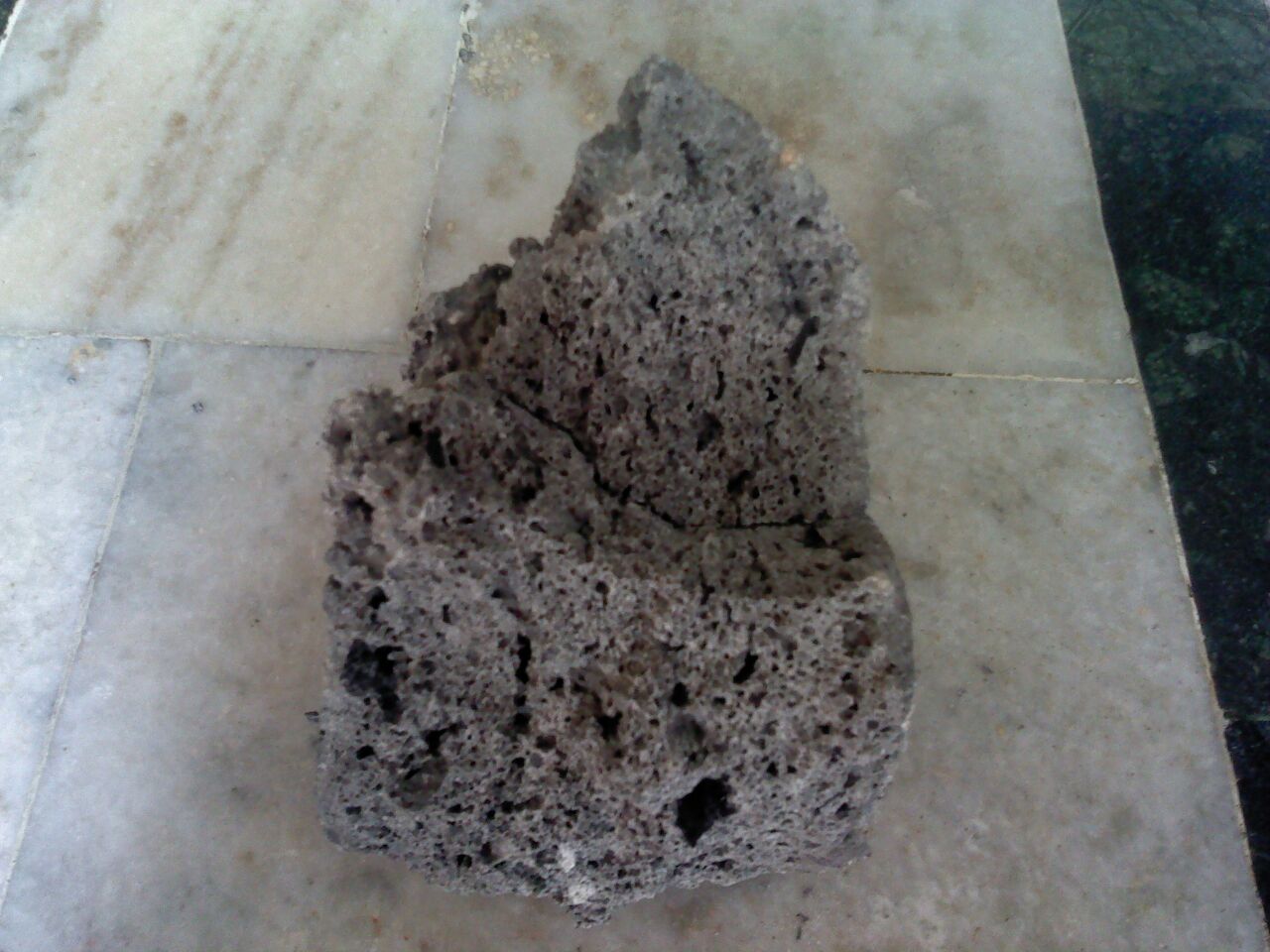
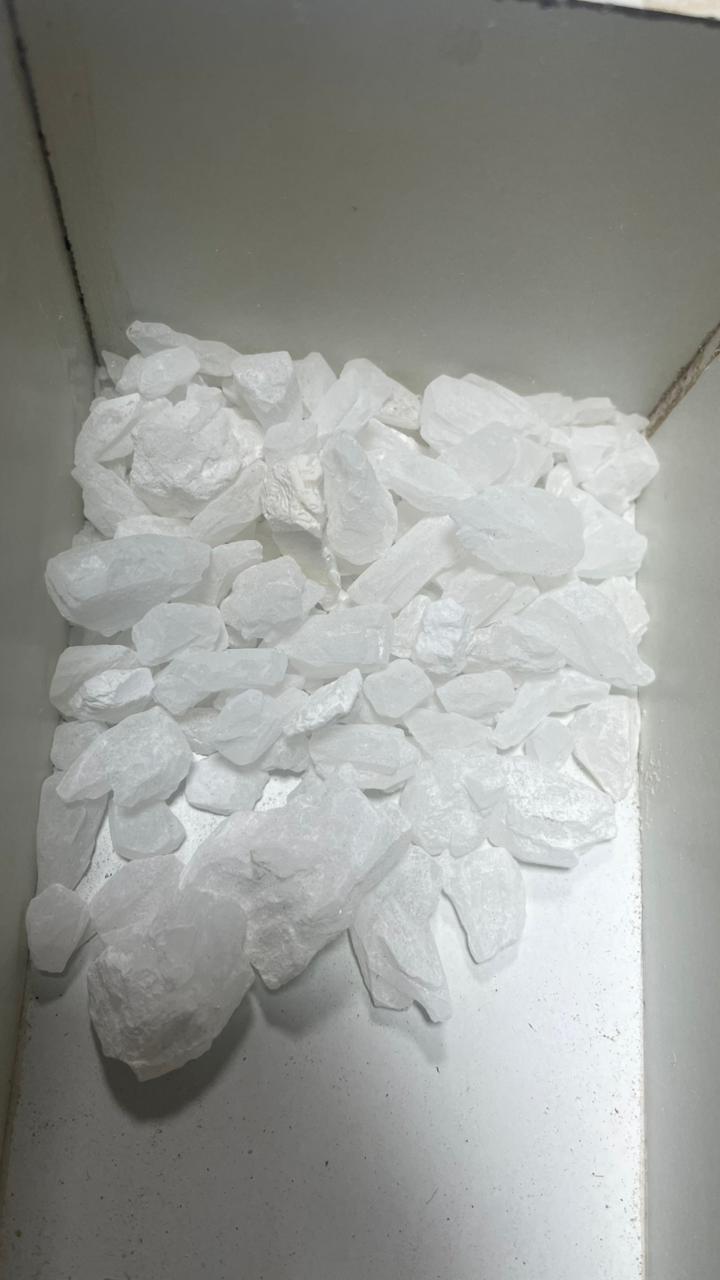
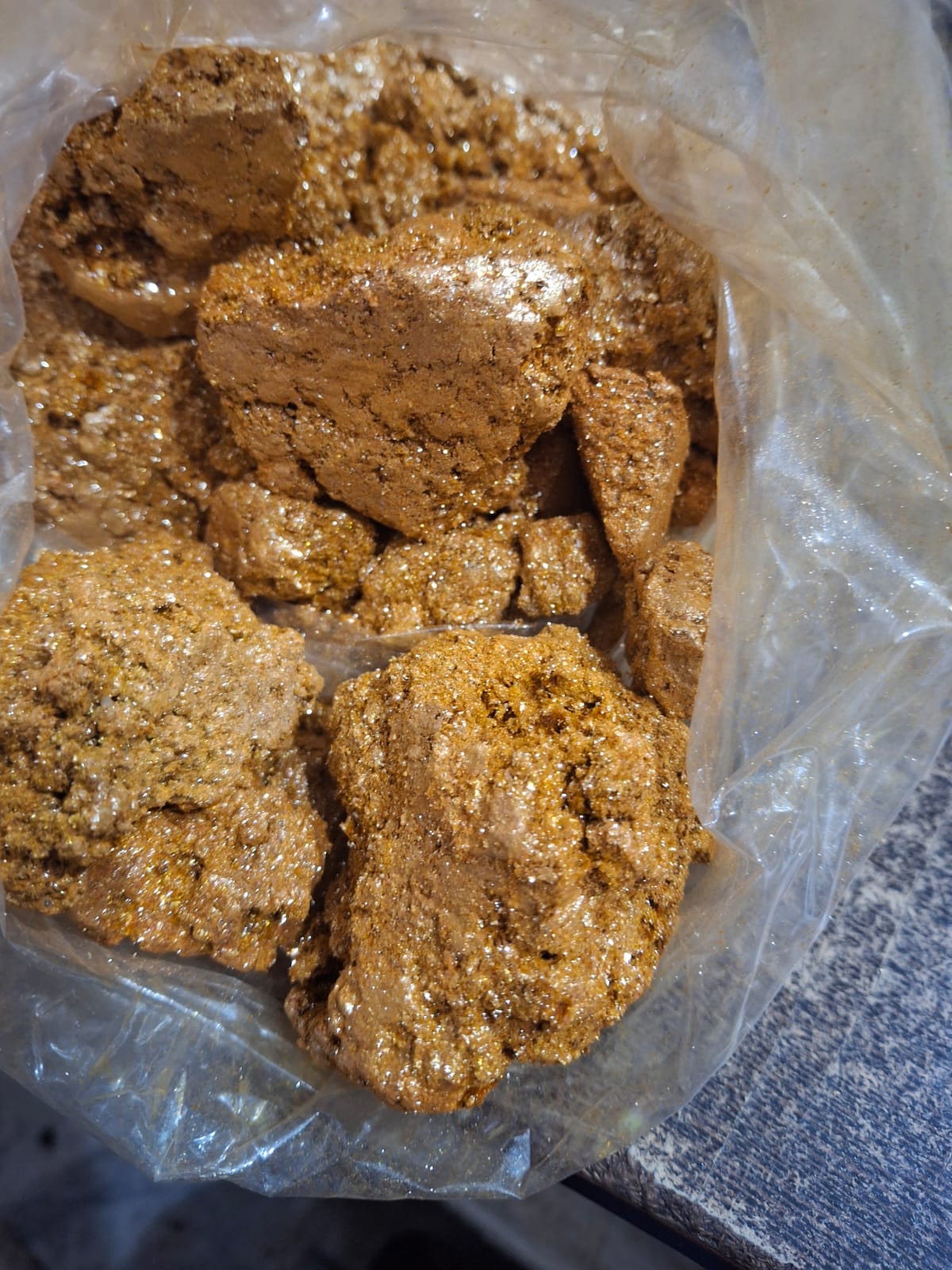
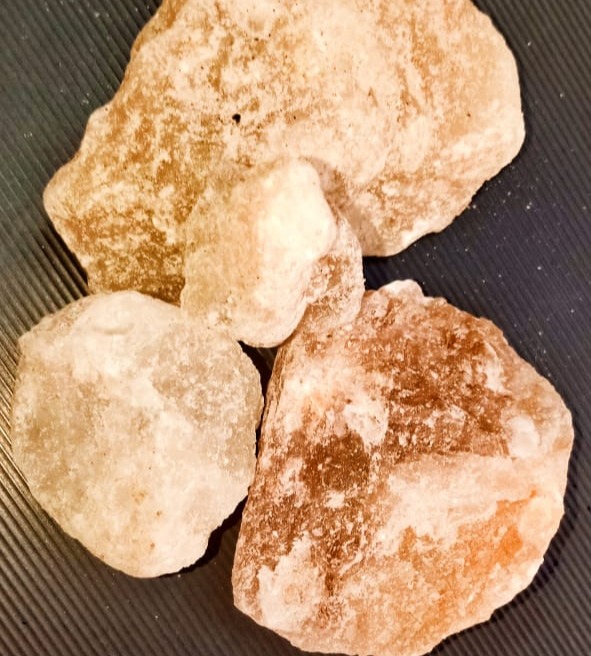
- Ayurvedic medicine places significant emphasis on the role of salts and minerals, recognizing their essential contributions to health and wellness. Various mineral metals, including Iron, Copper, Nickel, Abhrak (Mica), Lead, and Zinc, are utilized in the form of Bhasma, a fine ash that is believed to enhance the therapeutic properties of these minerals.
- In Ayurveda, salts are classified into two main categories: Lavan and Kshar. Lavan includes types such as Sendha Namak (rock salt), Kala Namak (black salt), Samudra Lavan (sea salt), Beed Namak, and Kach Lavan. Each of these salts possesses unique properties and benefits, making them integral to various Ayurvedic formulations.
- Kshar, on the other hand, comprises substances like Yavakshar (barley ash), Bangadkhar, and Surya Kshar. These alkaline salts are often incorporated into digestive medicines, highlighting their importance in promoting digestive health and balancing bodily functions. The inclusion of these salts in Ayurvedic treatments underscores their therapeutic potential and traditional significance.the kshar are Yavakshar,Bangadkhar,Surya kshar etc. You can find some of them almost always in digestive medicines.